

Fluoride makes tooth enamel more resistant to acids and supports repair when minerals are first lost, helping prevent childhood cavities. Fluoride treatment for children in Nashville may be considered when a child is at higher risk of tooth decay. Still, it does not replace brushing, healthy food choices, or regular dental examinations. Professionals tailor applications to age and risk.
Knowing how Fluoride works, when it may help and what it cannot do, gives parents a clearer basis for choosing prevention that supports both baby teeth and developing permanent teeth through every stage.
Why Children’s Teeth Need Protection
Cavities begin when bacteria in dental plaque use sugars from food and drinks to produce acids. Repeated acid attacks remove minerals from enamel. Saliva and Fluoride can help replace some of those minerals, but frequent sugar exposure or inconsistent brushing can give decay more opportunity to develop.
Children may need extra support because brushing skills are still developing, snacks may be frequent, and newly erupted permanent molars can have deep grooves that collect plaque. A history of cavities, dry mouth, enamel defects, orthodontic appliances, or limited fluoride exposure can also increase risk. Baby teeth matter too: untreated decay can cause pain, infection, and difficulty eating, even though those teeth eventually fall out.
How Fluoride Strengthens Enamel
Fluoride helps enamel resist acid and supports remineralization, the process through which minerals return to weakened tooth surfaces. It can make early, non-cavitated areas of mineral loss less likely to progress. This is one of the key benefits of fluoride treatment for children, particularly when a child has a higher risk of decay.
What Fluoride Can and Cannot Do
Understanding how Fluoride helps prevent cavities in children means recognizing that it supports enamel before decay creates a hole. It cannot rebuild a tooth once a cavity has formed. Established decay may need a filling or other dental treatment, depending on its size and location.
What Happens During a Professional Application
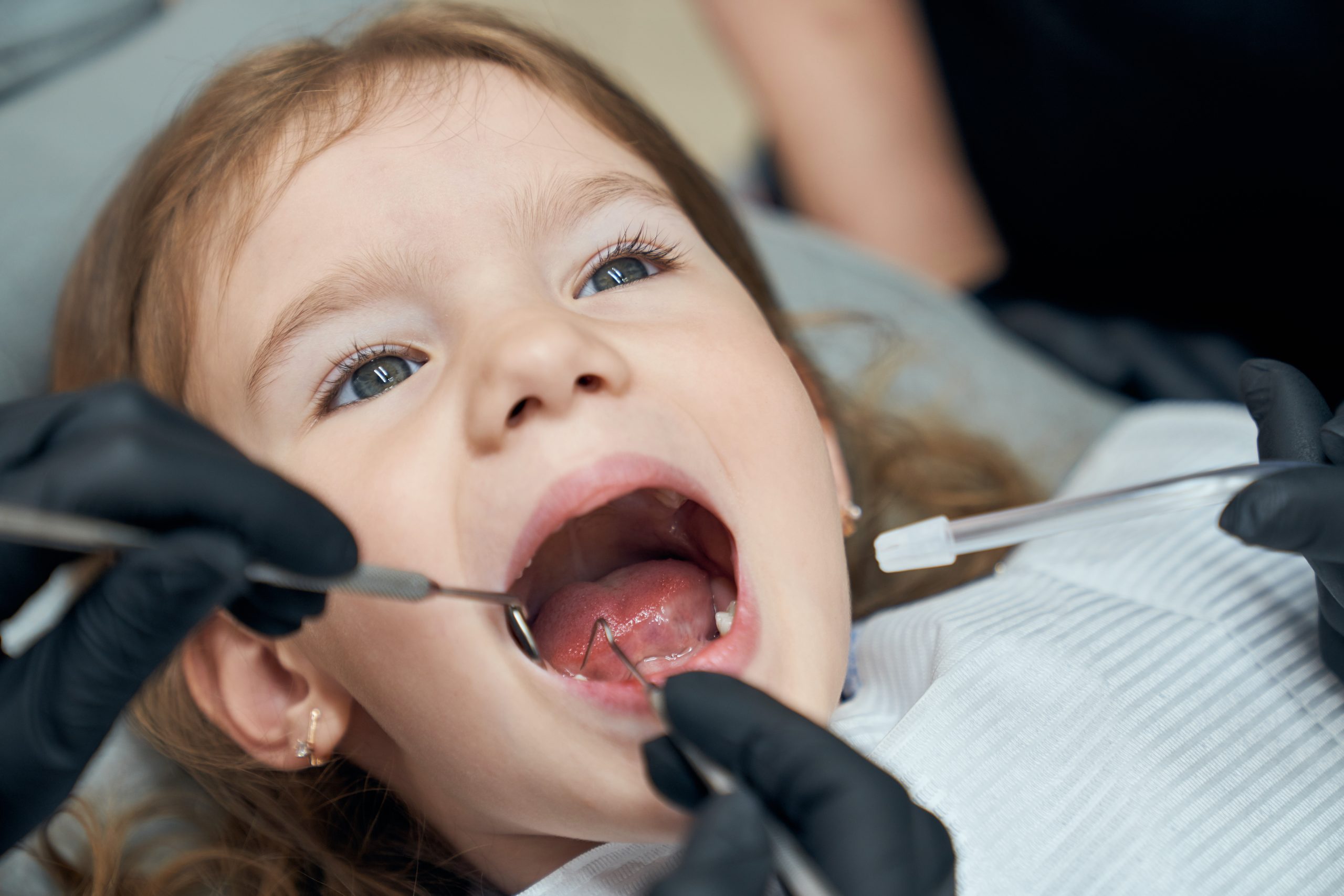
The dental professional applies fluoride directly to the teeth, often as a varnish. The product, amount, and application method depend on the child’s age, the product directions, and the dental assessment. An examination helps identify active decay, enamel changes, and any areas that may benefit from additional protection.
A pediatric dental office in Nashville can review cavity history, diet, brushing habits, drinking water, and other sources of Fluoride before recommending an application. This matters because the goal is an appropriate total amount of Fluoride, not simply using more. Parents should follow the specific post-application instructions, including any guidance about eating, drinking, or brushing after the visit.
Daily Habits That Reinforce Fluoride Protection
Professional applications work best alongside consistent home care. Helpful habits include:
Brush Twice Daily: Use a small, age-appropriate amount of fluoride toothpaste. An adult should dispense it and supervise brushing until the child can clean thoroughly and spit reliably.
Clean Between Teeth: Start flossing when two teeth touch, because a toothbrush cannot clean every contact area.
Make Water the Usual Drink: Offer water between meals and limit frequent sipping of juice, sweetened drinks, or milk outside mealtimes.
Keep a Steady Meal Pattern: Frequent grazing exposes teeth to repeated acid attacks. Offer balanced meals and snacks rather than allowing sugary foods or drinks to be consumed throughout the day.
Attend Recommended Examinations: Regular checks help identify early changes and adjust prevention as new teeth erupt.
Together, these habits limit repeated acid exposure and make early changes easier to identify.
Choosing a Schedule That Fits Your Child
No single fluoride schedule suits every child. The interval may depend on past cavities, current decay risk, age, enamel development, oral hygiene, and Fluoride exposure at home. Some children benefit more from applications than others; the decision should follow an individual assessment rather than a fixed timetable.
A pediatric dentist in Nashville can review these factors as a child grows, especially when permanent teeth begin to erupt. If a cavity is already present, the discussion should also cover the treatment needed for that tooth.
Finding Clear Local Guidance
A parent considering fluoride treatment for children near you should look for an explanation of why an application is recommended and how it fits with brushing, diet, and other preventive measures. Follow the product-specific instructions provided after treatment.
Build Strong Preventive Habits Early
Good cavity prevention isn’t one appointment or one product; it is a practical routine that
changes as your child grows and new teeth appear.
Schedule a consultation with Children’s Oral Care Office to review your child’s cavity risk and discuss suitable preventive care. A clear plan can help make everyday brushing and regular dental visits more effective.
Frequently Asked Questions
How often should children receive professional fluoride treatment?
There is no universal schedule. Frequency depends on a child’s history of cavities, age, enamel development, diet, home care, and overall risk. A dental examination helps determine whether professional Fluoride is appropriate and how often it should be repeated for each child.
Can toddlers use fluoride toothpaste safely?
Yes. Use a very small, age-appropriate amount and have an adult dispense the toothpaste and brush the child’s teeth. Supervise brushing to reduce swallowing, and encourage spitting when the child is developmentally ready. Keep toothpaste stored out of reach between brushing sessions.
What should I do if my child swallows toothpaste?
A small amount accidentally swallowed during brushing is usually different from eating a large quantity. Wipe away excess and supervise future brushing. If a substantial amount is swallowed, contact poison control or seek medical guidance promptly, following local emergency advice.
Does professional Fluoride replace dental sealants?
No. Fluoride helps strengthen enamel across tooth surfaces, while sealants cover the grooves of selected back teeth where food and plaque can collect. Depending on age, tooth shape, and cavity risk, a child may benefit from either measure or both.