
Dental visits can be scary for some children. They may worry about pain, strange sounds, or sitting still during treatment. Sedation can help a child feel calm during dental care. However, not every child needs it. The right choice depends on the child’s age, health, fears, and the treatment needed. A pediatric dentist in Nashville can check the child and explain if sedation is needed. The main goal is to keep the child safe and comfortable without using medicine unless it is needed.
Sedation is different from local anaesthesia, which numbs the area being treated. Before treatment, the dental team will explain the options, how to prepare, and the safety steps they will follow.
When Is Sedation Dentistry Recommended for Children?
Sedation may be considered when a child has strong dental fear, struggles to stay still, or needs treatment that would be difficult to complete with basic behaviour support alone.
Common reasons include:
- Severe dental anxiety: The child feels too worried to manage the visit with reassurance alone.
- Difficulty sitting still: A young child may have trouble remaining still during treatment.
- Several treatments may be needed: Sedation may help the dental team provide appropriate care in fewer visits.
- Special healthcare needs: Some children may need extra support to manage dental treatment.
- A strong gag reflex: Sedation may help in selected cases when the reflex makes treatment difficult.
The decision should be based on the child’s needs and a careful review of the benefits and risks.
What Types of Sedation May Be Used?
The type of sedation depends on the child’s health, age, anxiety level, and the planned treatment. Not every option is suitable for every child.
Common options include:
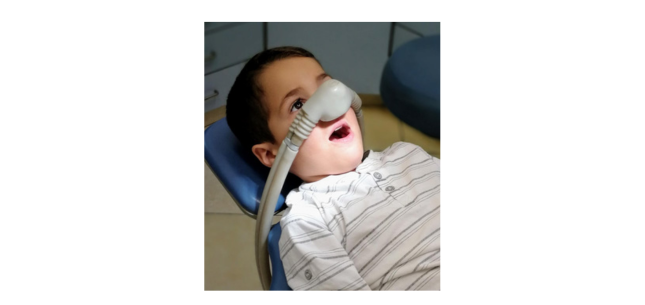
- Nitrous oxide: Also called laughing gas, it is breathed through a small nose mask. It can help reduce anxiety, and its effects usually wear off quickly after the gas is stopped.
- Oral sedation: Medicine is taken by mouth to help the child relax. Its effects can vary, and the child may need to be monitored until recovery.
- Deeper sedation or general anaesthesia: These options may be used when a child needs more dental work or cannot manage with light sedation. Trained staff must watch the child closely and take steps to keep them safe.
A pediatric dental office in Nashville can explain which options are available and whether a child’s needs call for a specialist or another care setting.
Is Sedation Dentistry Safe for Children?
Sedation can be used safely when the child is properly assessed, the method is suitable, and trained professionals follow the required safety standards. However, no type of sedation is completely free of risk.
Before treatment, the dental team should check:
- The child’s health and medical history.
- Any medicines, allergies, or past reactions to sedation.
- Recent illness, breathing problems, or sleep problems.
- Eating and drinking instructions before the visit.
- How the child’s breathing, heart rate, and recovery will be monitored.
Parents should share complete and accurate health information and follow all preparation instructions. Never give a child a calming medicine at home unless the treating professional specifically directs it.
How Should Parents Prepare a Child?
Preparation helps the visit for pediatric sedation dentistry in Nashville go more smoothly and supports the child’s safety. The dental team will give instructions based on the planned sedation method.
Before the appointment:
- Explain the visit in calm, simple words.
- Follow any eating and drinking restrictions exactly.
- Tell the team about changes in the child’s health.
- Bring a list of medicines the child takes.
- Arrange for an adult to take the child home if sedation instructions require it.
Pediatric sedation dentistry near you should include clear guidance for both treatment and recovery. Ask when the child can return to school, play, eat, and drink as usual.
Help Your Child Prepare for Comfortable Dental Care!
Children’s Oral Care Office can discuss your child’s dental needs, explain suitable comfort options, and help you understand the steps involved before treatment. Book an appointment today to talk through your concerns and plan the right support for your child’s next dental visit.
FAQs
Does sedation make a child fully unconscious?
No, not always. Nitrous oxide and some medicines help a child relax but stay awake. General anaesthesia is different because it makes the child fully unconscious and needs special care.
Will sedation prevent all pain?
No. Sedation helps with anxiety or awareness, depending on the method, but local anaesthesia may still be needed to numb the treatment area.
Can every child receive dental sedation?
No. The child’s health, age, medical history, and planned treatment all affect whether sedation is suitable.
Can parents stay with their child during sedation?
This depends on the child’s needs, the treatment setting, and the safety rules in place. Ask the dental team what to expect.