

Pediatric Nerve Treatment in Nashville
Pediatric Nerve Treatment Near You
Is your child complaining about tooth pain? At COCO Children’s Oral Care Office, we know how upsetting tooth pain can be for both kids and parents. When decay or injury reaches the inside of a tooth, your child may need special care to reduce discomfort and protect the tooth. That is why we offer pediatric nerve treatment in Nashville to help treat affected baby teeth when the nerve tissue is irritated or infected.
If you are searching for pediatric nerve treatment near you, Dr. Castillo and our team are here to provide gentle, child-focused care. We explain each step clearly and work to make your child’s visit feel safe, calm, and comfortable.
What Is Pediatric Nerve Treatment?
Pediatric nerve treatment, also called pulp therapy, is a dental procedure used when decay, trauma, or infection affects the soft tissue inside your child’s tooth. This soft tissue is called the pulp. It contains nerves and blood vessels.
The goal is to remove the affected pulp tissue, reduce infection risk, and help preserve the tooth when possible.
When tooth decay gets very deep, bacteria can reach the pulp. This may cause:
Tooth Pain
Pain that does not go away or gets worse
Sensitivity
Discomfort with hot, cold, or sweet foods
Swelling
Swollen gums or a bump near the tooth
Infection Risk
Infection that may spread if left untreated
Early care can help prevent the problem from becoming more serious.
Pulpotomy vs. Pulpectomy — What Is the Difference?
Pulpotomy and pulpectomy are two types of pediatric nerve treatment. The right option depends on how much of the pulp is affected.
| Feature | Pulpotomy | Pulpectomy |
| Treatment Type | Partial pulp treatment | Complete pulp treatment |
| Area Treated | The top part of the pulp inside the crown | The entire pulp, including the root canals |
| When It Is Needed | When the root pulp is still healthy | When infection has reached deeper pulp tissue |
| Goal | Preserve healthy root pulp | Remove affected pulp from the whole tooth |
| Time Needed | Usually shorter | May take longer |
| Tooth Protection | A crown is often recommended | A crown is often recommended |
Our pediatric dentist in Nashville will check your child’s tooth carefully and recommend the right treatment based on their needs.
Signs Your Child May Need Nerve Treatment
Parents should watch for warning signs such as:
Ongoing Toothache
Pain that does not go away
Hot or Cold Sensitivity
Sensitivity that lingers after eating or drinking
Swollen Gums
Swelling near the affected tooth
Darkened Tooth
A tooth that has changed color after injury or decay
Gum Bump
A small bump near the tooth, which may be a sign of infection
Pain When Chewing
Discomfort when biting or chewing food
If your child has any of these signs, please do not wait. Early evaluation can help protect your child’s oral health.

How Is Pediatric Nerve Treatment Done?
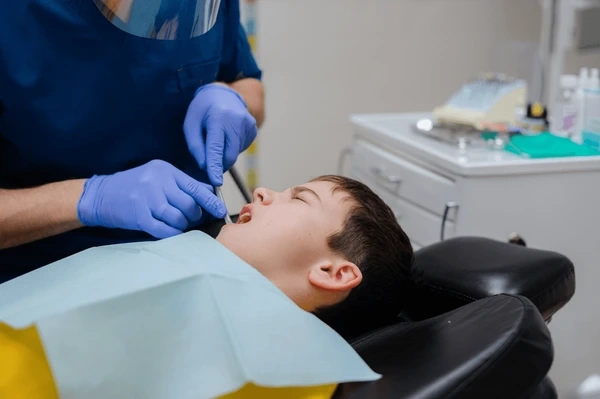
The procedure is planned to be gentle and child-friendly. We take the following steps when we provide pediatric nerve treatment in Nashville:
Examination
Dr. Castillo checks your child’s tooth and may take digital X-rays.
Local Anesthesia
We numb the area to help your child stay comfortable.
Pulp Treatment
The affected pulp tissue is carefully removed.
Cleaning and Filling
The tooth is cleaned and filled with a child-safe dental material.
Crown Placement
A dental crown is often placed to protect the tooth.
The treatment may be completed in one visit, depending on your child’s tooth and treatment needs.
Why Is It Important to Treat Baby Teeth?
Some parents ask, “Why treat a baby tooth if it will fall out anyway?” Baby teeth are very important. They help your child chew, speak, smile, and hold space for adult teeth.
If a baby tooth is lost too early because of infection, nearby teeth may shift. This can affect how the adult tooth comes in later. Treating an infected baby tooth may help your child stay comfortable and support healthy dental development.
If you are looking for pediatric nerve treatment near you, Dr. Castillo can check your child’s tooth and explain whether pulp therapy is the right option.
Why Choose COCO Children’s Oral Care Office?
At COCO Children’s Oral Care Office, we focus on treating children with patience and care. Our team understands how to support children who feel nervous, uncomfortable, or unsure during treatment.
Here is why families choose us for pediatric nerve treatment in Nashville:
Experienced Pediatric Team
Our team is trained to work with children of all ages.
Child-Friendly Environment
We create a calm space to help children feel safe.
Gentle Techniques
We use careful methods to support your child’s comfort.
Digital X-Rays
Imaging helps us evaluate the tooth and plan treatment.
Clear Communication
We explain each step to you and your child in simple words.
If you are looking for a reliable pediatric dentist near you, our team is here to help your child get gentle care when tooth pain or infection affects their smile.
Gentle Pediatric Nerve Care for Your Child
Do not let tooth pain affect your child’s daily life. Early care can help reduce discomfort and protect your child’s oral health. At COCO Children’s Oral Care Office, we offer pediatric nerve treatment near you with careful evaluation and child-focused support.
Call us today to book your child’s appointment.
Frequently Asked Questions
Is nerve treatment painful for children?
We use local anesthesia to help keep your child comfortable during treatment. Your child may feel some pressure, but they should not feel sharp pain. Mild soreness or sensitivity may happen afterward.
How do I know if my child needs nerve treatment?
Common signs include ongoing tooth pain, sensitivity, swollen gums, a darkened tooth, or a bump near the gum. Dr. Castillo can examine your child and take X-rays if needed.
Will my child need a crown after nerve treatment?
In many cases, yes. A dental crown is often placed after pediatric nerve treatment to help protect the tooth until the adult tooth is ready to come in.
What happens if I do not treat my child’s infected tooth?
An untreated infected tooth may cause pain, swelling, early tooth loss, or infection that can spread. Early treatment can help reduce these risks and protect your child’s oral health.