


Tongue-Tie Treatment for Infants in Nashville
Tongue-Tie Treatment for Infants Near You
Is your baby having trouble breastfeeding? Are they not latching well? One possible reason could be tongue-tie. Tongue-tie is a common condition in infants, and in some cases, treatment may help improve feeding comfort and tongue movement. At COCO Children’s Oral Care Office, we offer tongue-tie treatment for infants in Nashville to help babies who may be struggling with feeding or oral movement concerns.
If you are looking for tongue-tie treatment for infants near you, Dr. Castillo and our team are here to provide a gentle evaluation and explain your child’s treatment options clearly.
What Is Tongue-Tie?
Tongue-tie is a condition called ankyloglossia. It happens when the lingual frenum, the small band of tissue under the tongue, is too short or too tight. This can limit how much the tongue can move.
There is also a related condition called lip-tie. This happens when the tissue connecting the upper lip to the gum is too tight. Both conditions may affect feeding, comfort, or oral development in some babies.
If you are searching for tongue-tie treatment for infants near you, early evaluation can help determine whether your baby needs monitoring, support, or treatment.
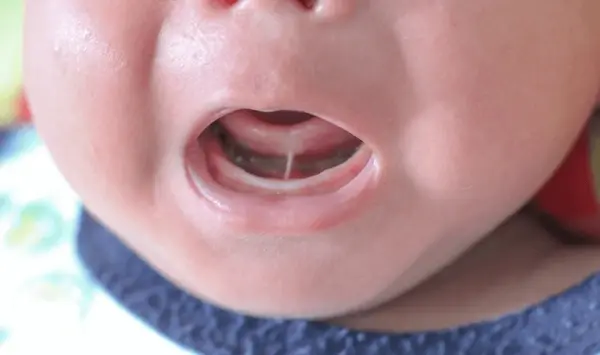
How Do You Know If Your Baby Has Tongue-Tie?
Many parents notice signs early. Common signs may include:
In infants:
Trouble Feeding
Difficulty breastfeeding or latching
Clicking Sounds
Clicking while feeding
Poor Weight Gain
Not gaining weight as expected
Feeding Fatigue
Getting tired quickly during feeding
In nursing parents:
Nipple Pain
Pain or discomfort during nursing
Feeding Concerns
Feeling like the baby is not getting enough milk
In older children:
Limited Tongue Movement
Trouble moving the tongue side to side
Difficulty Sticking Out the Tongue
Trouble extending the tongue past the lower lip
Speech Concerns
Difficulty saying certain sounds
Eating Challenges
Trouble eating certain foods
If you notice any of these signs, it is a good idea to have your child checked by a pediatric dental professional.
How Is Tongue-Tie Diagnosed?
At COCO Children’s Oral Care Office, Dr. Castillo checks for tongue-tie and lip-tie during a gentle oral examination. This may be done during your child’s first dental visit or during a visit focused on feeding concerns.
Dr. Castillo will look at:
Lingual Frenum
The length, thickness, and tightness of the tissue under the tongue
Tongue Movement
How well your baby can lift, extend, and move the tongue
Upper Lip Frenum
Whether the upper lip tissue is too tight
Oral Development
Your child’s overall mouth and jaw development
The exam is simple and gentle for your baby.

What Are the Treatment Options for Tongue-Tie?
Treatment depends on your baby’s symptoms, age, feeding needs, and the severity of the restriction. When we provide tongue-tie treatment for infants in Nashville, we focus on careful evaluation, gentle care, and clear guidance for parents. Our pediatric dentist in Nashville will help you understand whether treatment is right for your baby.
Monitoring
In mild cases, Dr. Castillo may recommend monitoring your baby’s growth, feeding, and oral development before deciding on treatment.
Frenectomy
A frenectomy is a common procedure used to release a tight frenum. The goal is to improve tongue movement and reduce restrictions that may be affecting feeding or function. The procedure is usually quick, and Dr. Castillo will explain what to expect before, during, and after treatment.
Frenuloplasty
A frenuloplasty may be considered when the frenum is thicker or more complex. This procedure may involve reshaping the tissue to allow better movement.
What Happens If Tongue-Tie Is Not Treated?
Some mild cases may not cause major problems. However, when tongue-tie affects feeding, speech, or oral function, treatment may be recommended.
Untreated tongue-tie may be linked to:
Ongoing Feeding Problems
Poor Weight Gain in Infants
Speech Concerns as a Child Grows
Difficulty Moving the Tongue
Challenges Chewing Certain Foods
Dental or Spacing Concerns in Some Cases
Early evaluation can help you understand what is happening and whether treatment is needed.
Why Choose COCO Children’s Oral Care Office?
Infants need gentle, patient care. We take time to listen to your concerns, examine your baby carefully, and explain each option in simple language.
Here is why families choose us for tongue-tie treatment for infants in Nashville:
Experienced Pediatric Dental Team
Gentle, Child-Friendly Care
Clear Communication With Parents
Careful Evaluation of Tongue-Tie and Lip-Tie
Support for Infants, Children, and Families
If you are looking for a reliable pediatric dentist near you, our team is here to help your baby receive gentle care in a calm and supportive setting.
Gentle Tongue-Tie Care for Your Baby
If your baby is showing signs of tongue-tie or lip-tie, do not wait. Early evaluation can help you understand your child’s needs and prevent feeding concerns from becoming more stressful. At COCO Children’s Oral Care Office, we offer tongue-tie treatment for infants near you to support your baby’s comfort, feeding, and oral development.
Call us today to book your child’s appointment. Our team is ready to answer your questions and create a care plan that works for your baby.
Frequently Asked Questions
Is the frenectomy procedure painful for my baby?
The procedure is usually quick. Dr. Castillo will discuss comfort options before treatment and explain how we help reduce discomfort for your baby.
How long does recovery take after a frenectomy?
Recovery is often quick, but every baby is different. Some infants show improvement within a few days. Dr. Castillo will give you clear instructions on how to care for your child after the procedure.
Can tongue-tie affect my child’s speech later?
Tongue-tie may affect speech for some children, especially if tongue movement is limited. Not every child with tongue-tie develops speech concerns, so an evaluation is important.
Is tongue-tie hereditary?
Tongue-tie can run in families. If you or someone in your family had tongue-tie, your child may have a higher chance of having it too.