


Lip-Tie Treatment for Infants in Nashville
Lip-Tie Treatment for Infants Near You
As a parent, you want the best for your baby, but small issues like lip-tie can sometimes affect feeding, comfort, and early oral development. At COCO Children’s Oral Care Office, we offer lip-tie treatment for infants in Nashville with careful evaluation and treatment only when it is truly needed. Dr. Castillo checks each baby individually and explains every step clearly, so parents feel informed and supported.
If you are looking for lip-tie treatment for infants near you, our team is here to provide gentle care and help you understand your baby’s needs.
What Is a Lip-Tie?
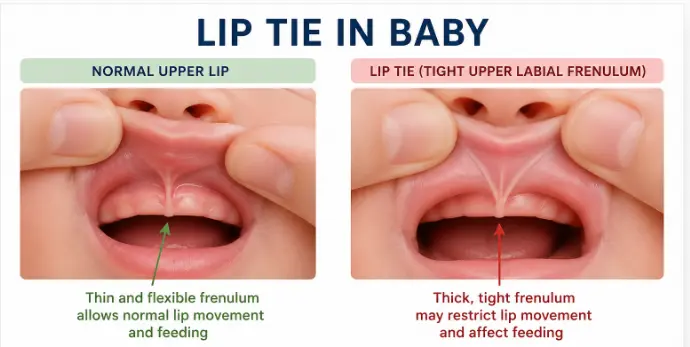
A lip-tie happens when the labial frenum, the small band of tissue that connects the upper lip to the gum, is too short, thick, or tight.
This tissue is normal. Everyone has it. But when it is too tight, it may limit the upper lip’s range of motion.
In infants, this can make it harder to:
Latch Properly
Your baby may have trouble getting a deep latch during breastfeeding.
Feed Comfortably
Your baby may struggle to get enough milk during feeding.
Open the Mouth Wide Enough
A tight upper lip may make feeding more difficult.
In some cases, a lip-tie may also affect how baby teeth come in or how the mouth develops as your child grows. If you are looking for lip-tie treatment for infants near you, an early evaluation can help you understand whether treatment or monitoring is needed.
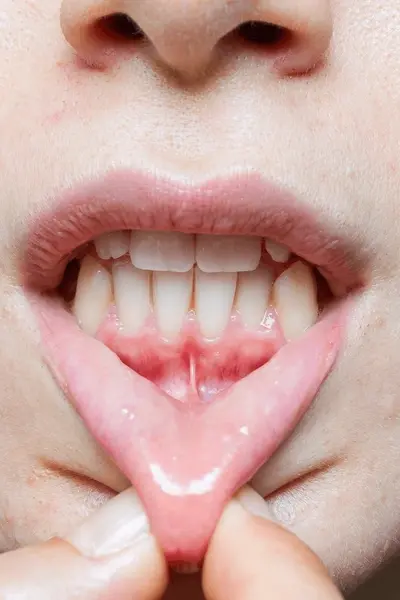
Signs That Your Infant May Have a Lip-Tie
Parents often notice something feels off during feeding but may not know the cause. Common signs may include:
In the baby:
Difficulty Latching
Your baby may struggle to stay latched during breastfeeding.
Clicking Sounds
You may hear clicking or popping while your baby feeds.
Frequent Feedings
Your baby may feed often but still seem unsatisfied.
Slow Weight Gain
Your baby may not gain weight as expected.
Milk Leakage
Milk may leak from the sides of the mouth during feeding.
Gas or Fussiness
Your baby may swallow extra air while feeding.
In the breastfeeding parent:
Nipple Pain
Feeding may cause pain or soreness.
Nipple Damage
Cracking or irritation may happen because of a shallow latch.
Clogged Ducts
Poor milk transfer may contribute to clogged ducts.
If you notice any of these signs, it is a good idea to bring your child in for an evaluation.
How Is Lip-Tie Diagnosed?
The labial frenum is easy to see when the upper lip is gently lifted. However, not every tight frenum causes a problem. Diagnosis requires careful evaluation of your baby’s symptoms, feeding concerns, and oral movements.
At COCO Children’s Oral Care Office, Dr. Castillo carefully evaluates:
Frenum Position
Where the tissue attaches to the upper lip and gum
Frenum Thickness
Whether the tissue is thick or tight
Lip Movement
How much the upper lip can move
Feeding Concerns
Whether the lip-tie may be affecting latch or milk transfer
Oral Development
How your baby’s mouth is developing
If you are searching for lip-tie treatment for infants in Nashville, our team can check your baby’s mouth and explain whether care is needed.
What Are the Lip-Tie Treatment Options?
Before whitening, our pediatric dental team will:
Observation
In mild cases, Dr. Castillo may recommend monitoring your baby’s feeding, growth, and oral development before deciding on treatment.
Frenectomy
A frenectomy is a procedure that releases the tight frenum to improve lip movement. It is often quick, and Dr. Castillo will explain what to expect before, during, and after treatment.
Frenuloplasty
A frenuloplasty may be recommended for thicker or more complex tissue. This procedure may involve reshaping the frenum to improve movement.
Lip-Tie Revision
If a previous release did not heal as expected or symptoms continue, Dr. Castillo can evaluate whether revision treatment is needed.
Benefits of Early Lip-Tie Treatment
Treating a lip-tie early may help improve feeding and comfort when the tissue restriction is causing problems.
Possible benefits may include:
Improved Feeding
Better lip movement may help your baby latch more effectively.
Less Discomfort for the Breastfeeding Parent
A better latch may reduce nipple soreness and irritation.
Healthier Oral Development
Early care may support normal lip movement as your child grows.
Better Comfort During Feeding
Your baby may swallow less air and feed with less frustration.
Clear Parent Guidance
You receive support and instructions for your baby’s care after treatment.
Why Choose a Pediatric Dentist for Lip-Tie Treatment?
A pediatric dentist is trained to care for babies and young children. At COCO Children’s Oral Care Office, Dr. Castillo understands how infant mouths develop and how lip-tie may affect feeding and comfort.
We use gentle techniques and child-focused care to help babies feel safe and supported. We also know when treatment may help and when monitoring may be the better option. This careful approach helps avoid unnecessary procedures.
If you are looking for a reliable pediatric dentist near you, our team is here to provide clear guidance and gentle care for your baby.
Gentle Help for Your Baby’s Lip-Tie
If you notice feeding problems or suspect a lip-tie, early evaluation can help you get answers. At COCO Children’s Oral Care Office, we offer lip-tie treatment for infants near you with careful checks and treatment recommendations only when needed.
Call us today to book your baby’s appointment. Our team is ready to answer your questions and create a care plan that supports your child’s comfort and oral health.
Frequently Asked Questions
Is lip-tie treatment painful for my baby?
The procedure is usually quick. Dr. Castillo takes care to keep the process as gentle and comfortable as possible. He will also explain how to care for your baby after treatment.
How is lip-tie different from tongue-tie?
A tongue-tie involves restricted movement of the tongue because of a tight lingual frenum. A lip-tie involves restricted movement of the upper lip because of a tight labial frenum. Both can be evaluated during a dental visit.
Will my child need lip-tie treatment again as they grow?
Most children do not need repeat treatment, but every child is different. Dr. Castillo will monitor your child’s oral development during regular visits.
Does insurance cover lip-tie treatment?
Coverage varies depending on your insurance plan. We recommend contacting your insurance provider to ask about coverage for frenectomy procedures. Our team can also help you understand your options.